
Lift the Label:
A Stigma Awareness Campaign
Opioids kill tens of thousands in the U.S. and Colorado isn’t immune to the effects of this epidemic.
One of the barriers keeping people from reaching out for help was the stigma attached to addiction.

Working with Colorado Department of Health Services (CDHS), we interviewed survivors and developed this campaign, called “Lift the Label.”
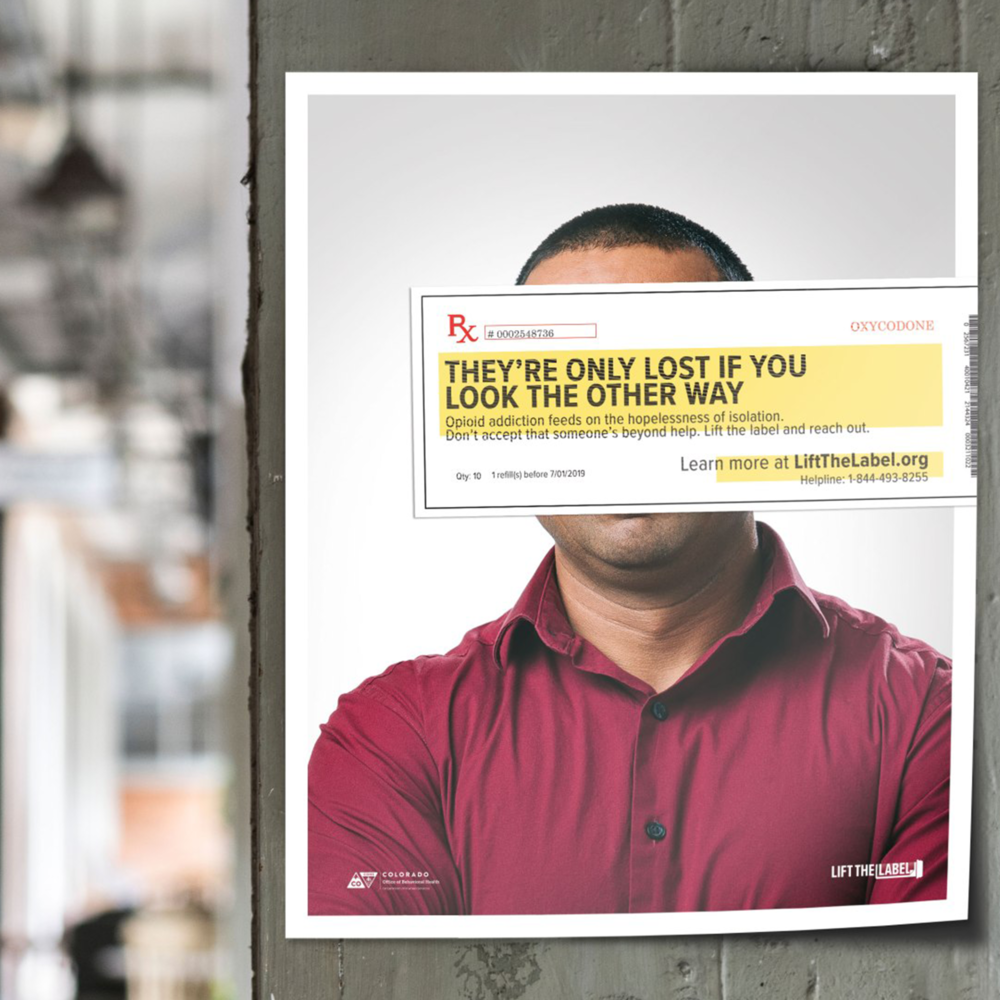
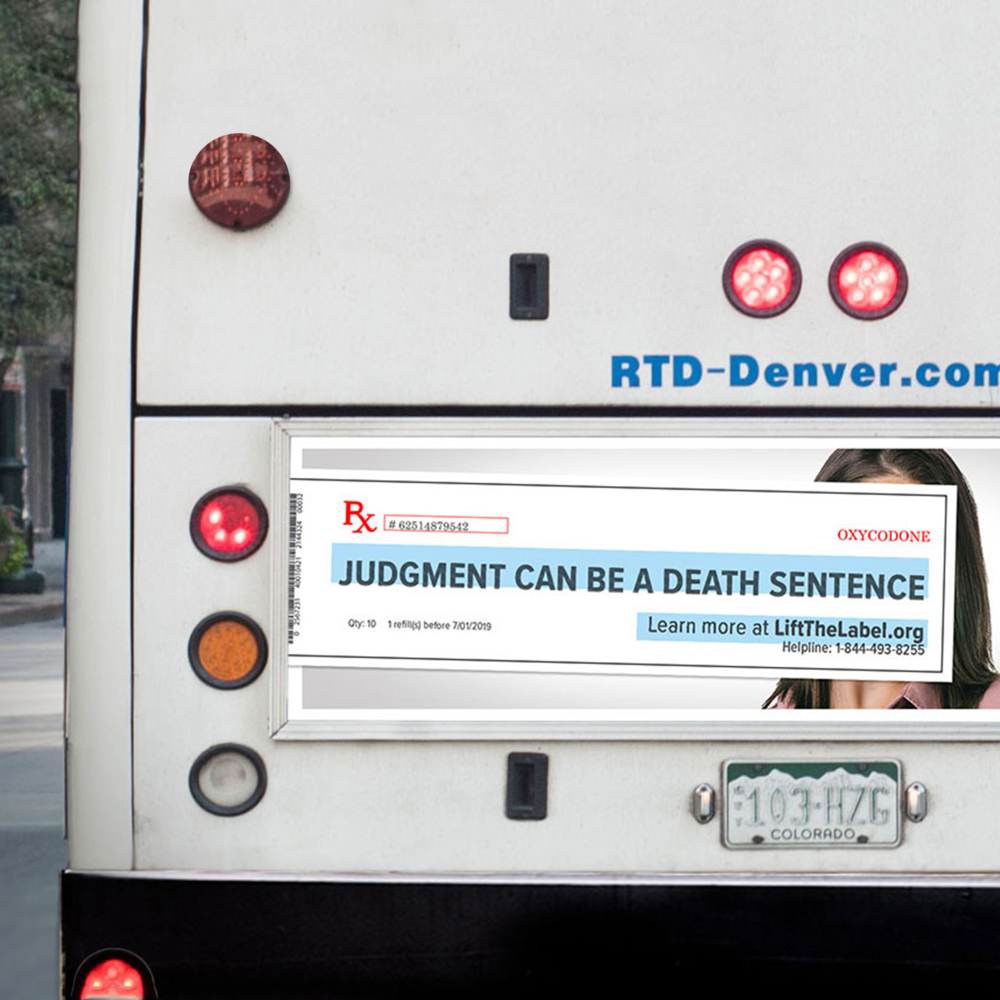
The Lift The Label campaign ignites conversations about addiction, highlighted the stigma around opioid use, and reminded people of the imperative need to practice empathy in relation to the opioid crisis:
379 million impressions across paid media, social media and earned media channels
Over $1 million in earned media publicity value
More than 90 million earned media impressions generated in the two months following the campaign’s launch
The campaign was cited by the American Journal of Public Health as an example of how structural components of stigma can best be addressed in public health communications
Stigma: The signs of opioid addiction are obvious.
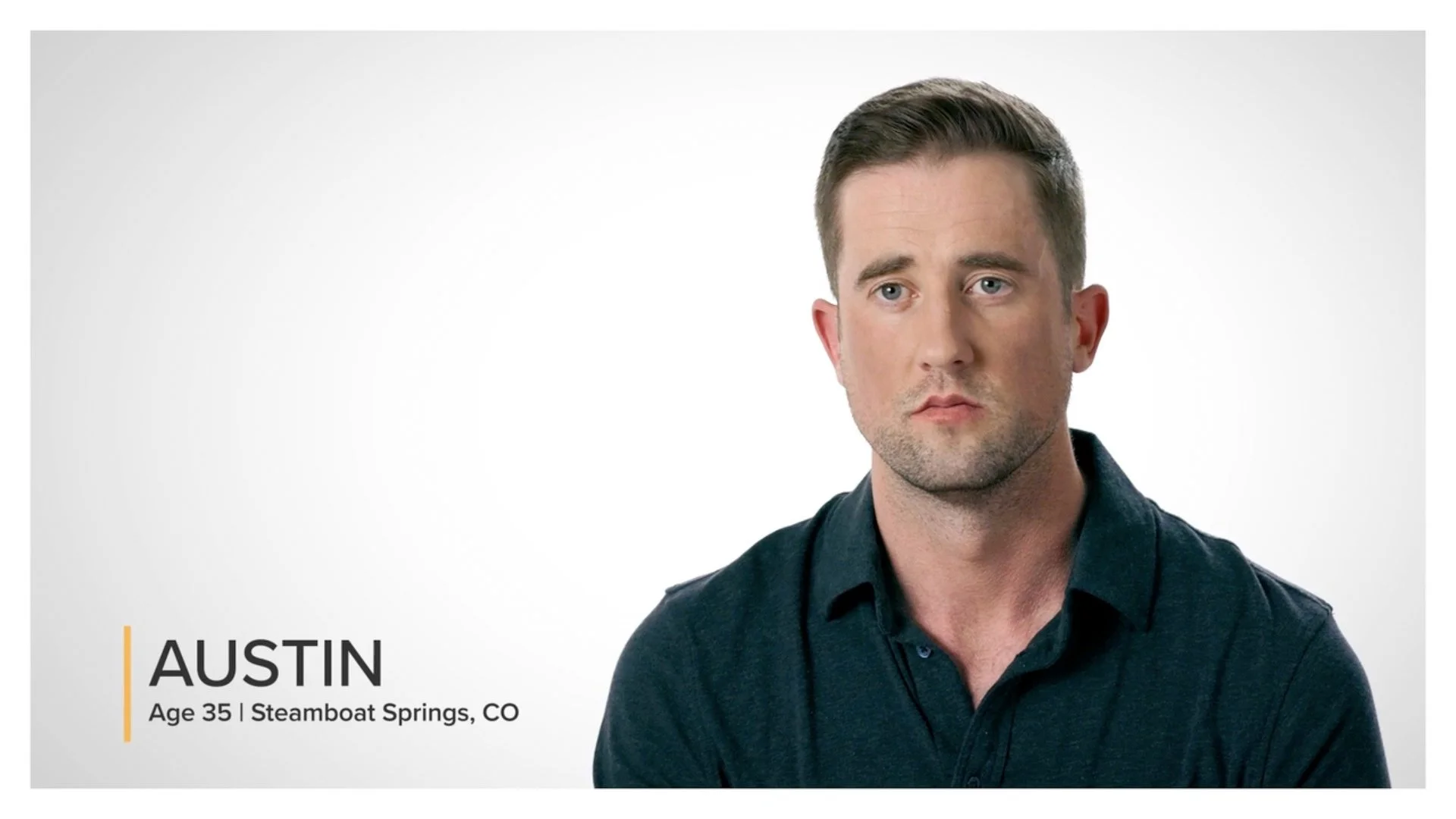
Austin, a Columbine High School shooting survivor shares his story of long term addiction. He emphasizes the struggle many Americans are faced with of trying to maintain a life in the midst of hiding the addiction.
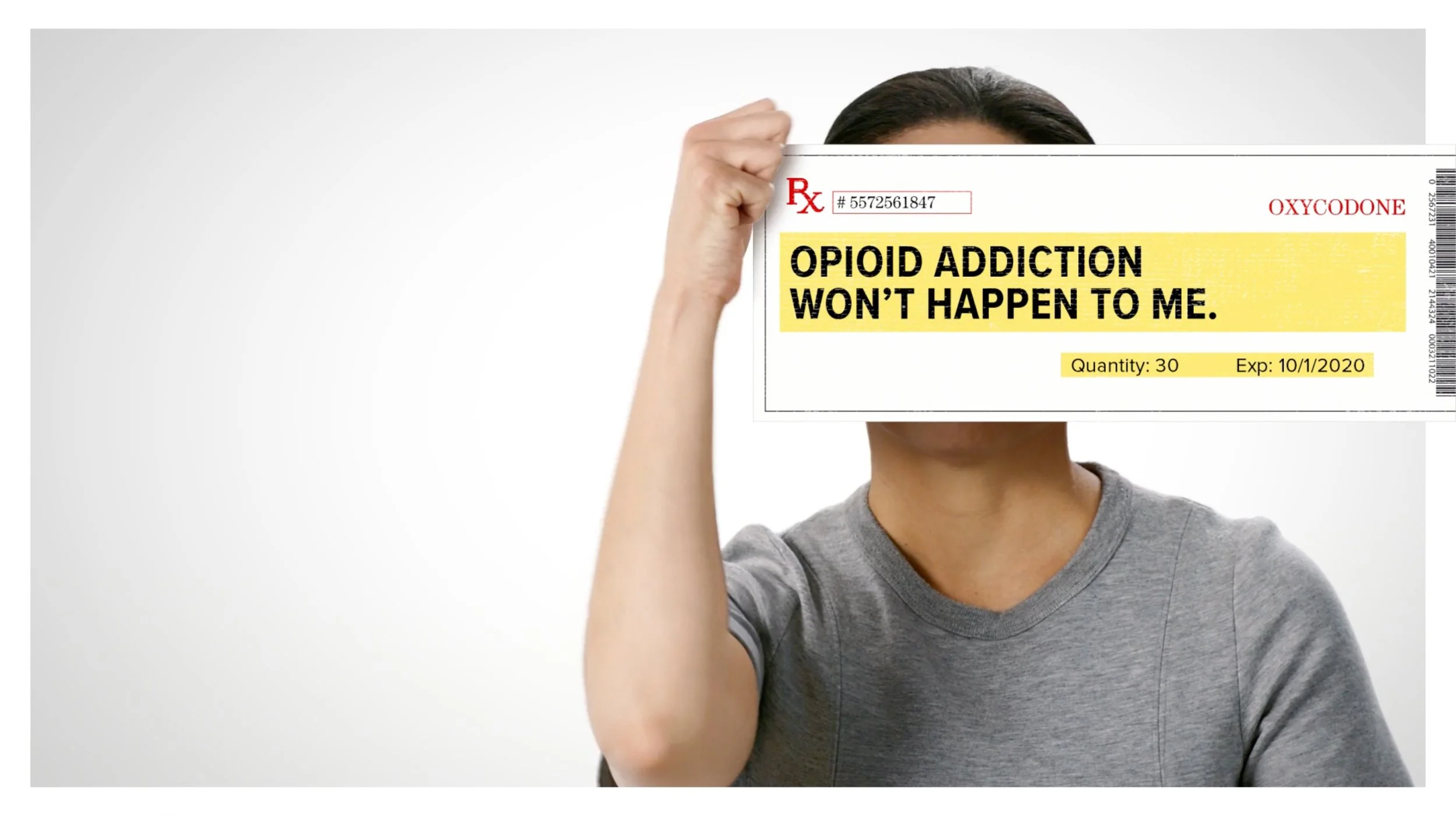
Stigma: Opioid addition won’t happen to me.
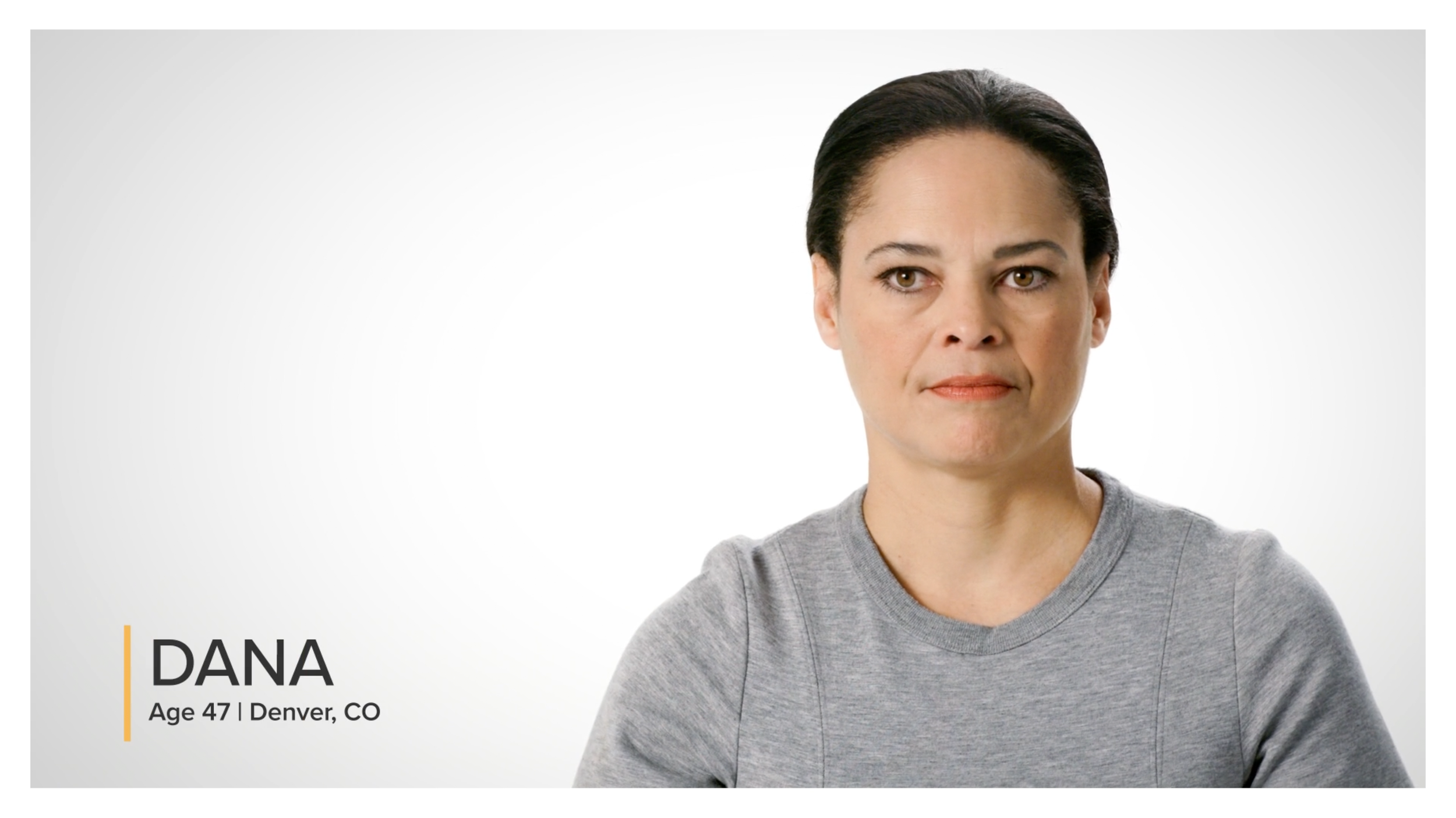
Dana was very accomplished in life and never expected to find herself in the grasp of addiction after a simple surgery. She shares how quickly the drug changed her whole view on life and how hard it was to come back from it.
Stigma: Opioid addiction is a choice.
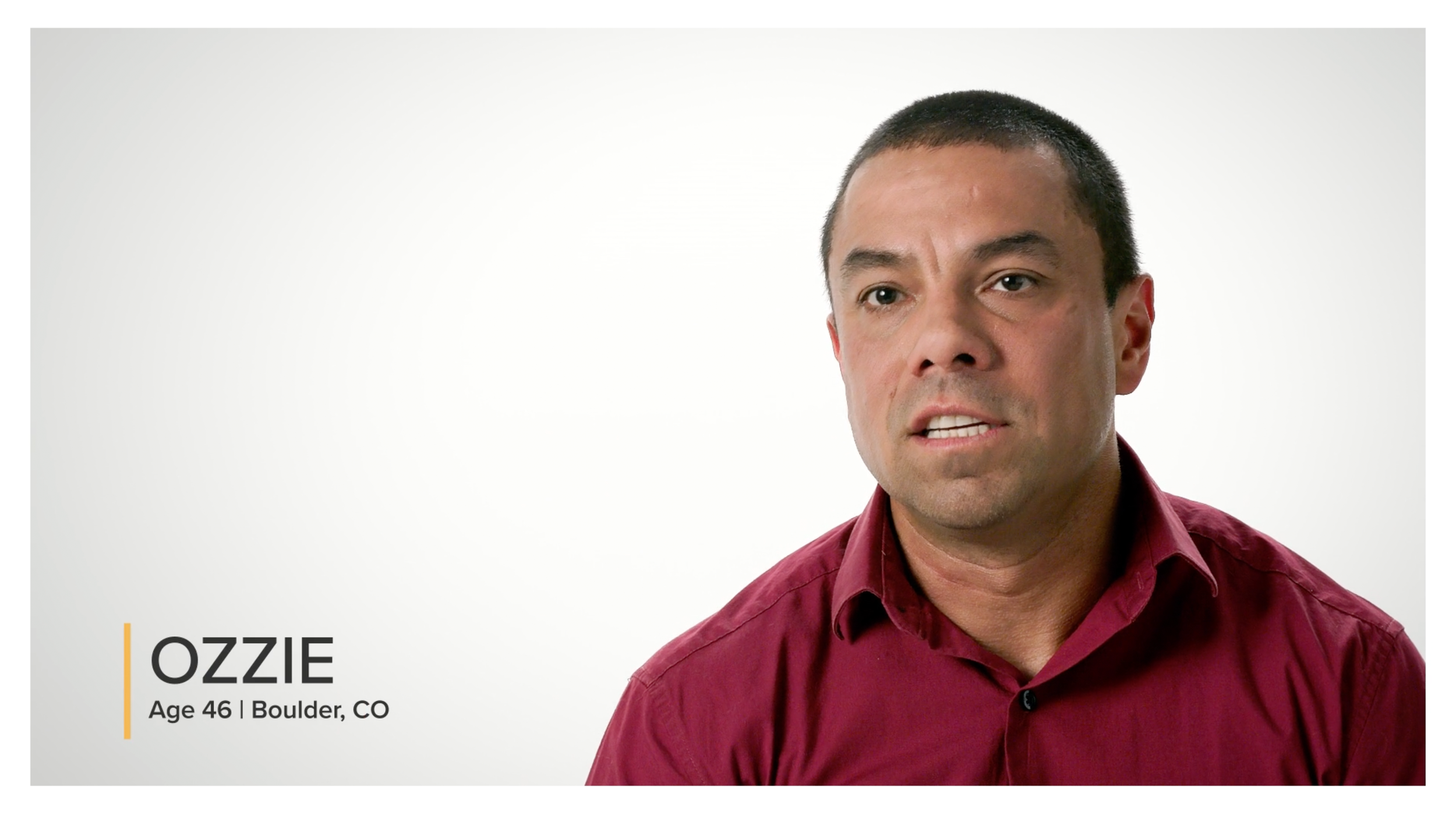
Ozzie tells a story of how hard it is to deal with addiction and more importantly, treatment. He spent years battling his addiction and treatment wasn't working until he reached rock bottom. He learned that he had to trust the treatment center personnel in order to find recovery.
Stigma: I can’t be anyone but an addict.
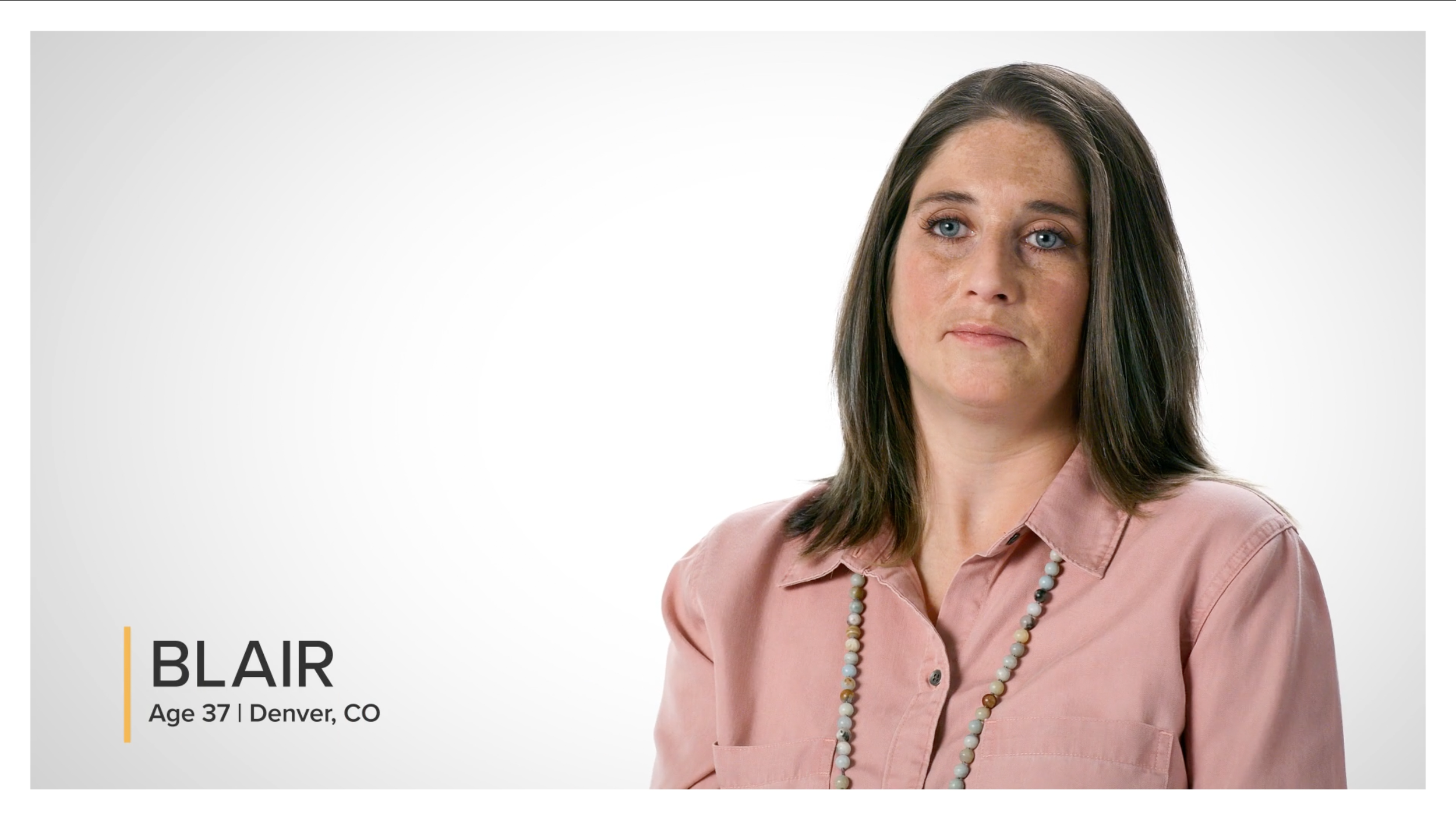
Blair shares her experience of experiencing addiction at an early age and how that transgressed in her adulthood. She explains the struggles of treatment and relapses and how medically assisted treatment ultimately saved her.
Art Director: Jennie Burton
Creative Director: Eric Hines
Graphic Designer: Daniel Alfonzo
Senior Copywriter: Cecil Bozard
Copywriter: Rachel Edwards